


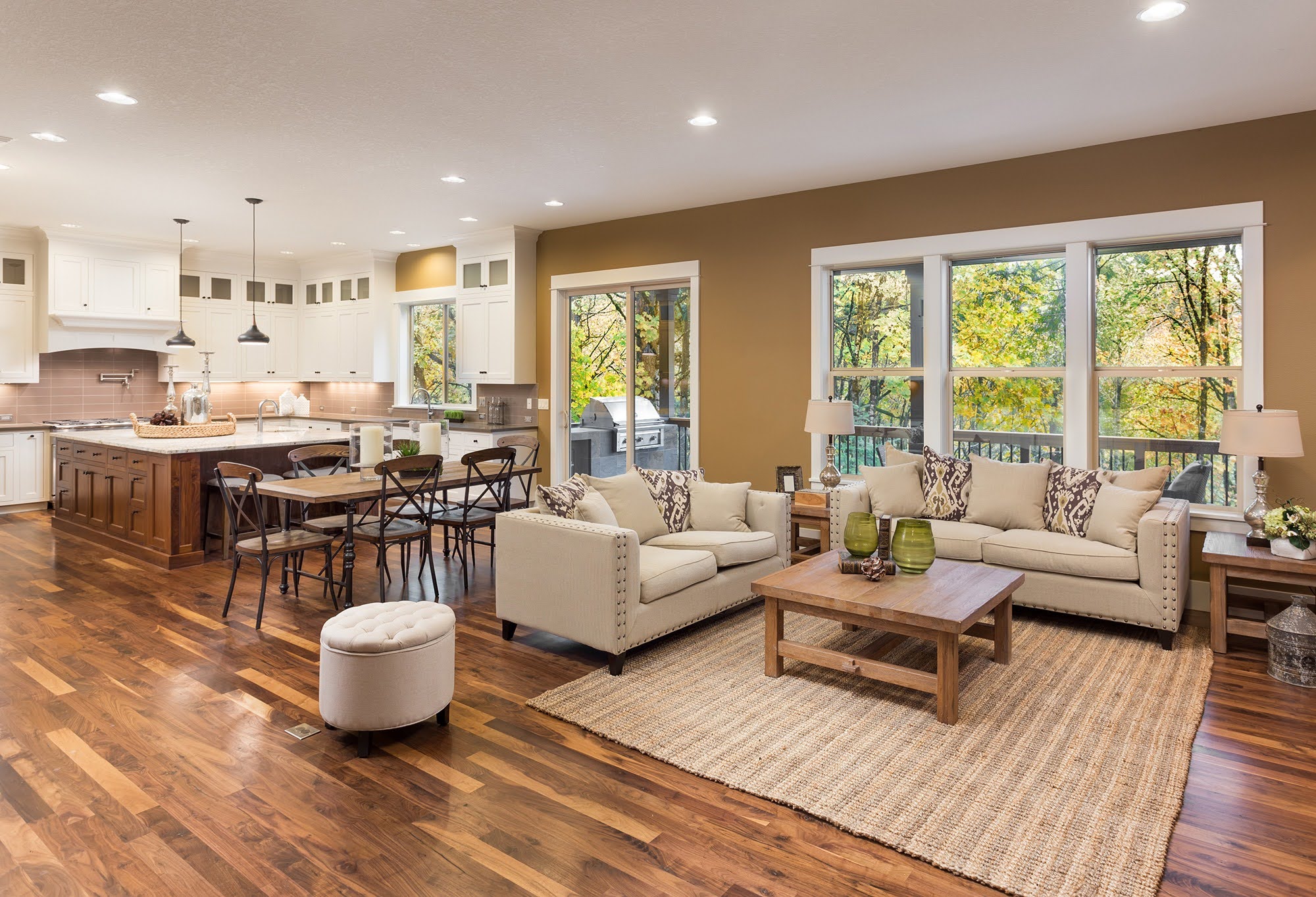
Hardwood floors are one of the most desirable upgrades for Idaho Falls homes. They add warmth, long‑term value, and timeless style. But our local climate introduces an important question homeowners often ask before installing wood floors: should you choose solid hardwood or engineered hardwood?
At Expert Floors, we’ve helped Idaho Falls homeowners navigate this decision for more than 20 years. Seasonal temperature shifts, dry winters, and changing indoor humidity all affect how hardwood floors perform. Understanding how each option responds to these conditions can help you choose a floor that stays beautiful year after year.
Why Seasonal Changes Matter for Hardwood Floors
Wood is a natural material, which means it reacts to its environment. Changes in temperature and humidity cause wood to expand and contract. In Idaho Falls, this movement is especially noticeable because of:
Cold winters with dry indoor air from heating systems
Warmer months with higher humidity
Temperature differences between above‑grade and below‑grade spaces
The key difference between solid and engineered hardwood is how each type manages that natural movement.
What Is Solid Hardwood Flooring?
Solid hardwood flooring is made from a single, solid piece of wood from top to bottom. Each plank is milled from real hardwood species such as oak, hickory, or maple.
Advantages of Solid Hardwood
Can be sanded and refinished multiple times
Long lifespan when properly maintained
Classic construction with natural character
Strong appeal for traditional homes and resale value
How Solid Hardwood Handles Seasonal Swings
Because solid hardwood is made from one continuous piece of wood, it is more sensitive to changes in humidity. During dry winters, boards may shrink slightly, creating small gaps. In more humid conditions, they can expand.
In well‑controlled environments with consistent indoor humidity, solid hardwood performs beautifully. However, in areas where humidity fluctuates more dramatically, it requires careful installation and ongoing climate management.
What Is Engineered Hardwood Flooring?
Engineered hardwood is constructed with multiple layers. The top layer is real hardwood, while the core layers are designed to provide added stability.
Advantages of Engineered Hardwood
Greater resistance to expansion and contraction
Performs well in varying humidity conditions
Can be installed in more areas of the home
Delivers the look of real wood with added flexibility
How Engineered Hardwood Handles Seasonal Swings
The layered construction of engineered hardwood allows it to better resist movement caused by temperature and humidity changes. This makes it especially well‑suited for Idaho Falls homes where indoor conditions vary throughout the year.
Engineered hardwood tends to show fewer seasonal gaps and less movement compared to solid hardwood, making it a popular choice for homeowners who want peace of mind without sacrificing style.
You can explore a wide range of styles by browsing hardwood flooring options designed for different lifestyles and home layouts.
Installation Locations: Where Each Option Works Best
One of the biggest differences between solid and engineered hardwood is where they can be installed.
Best Areas for Solid Hardwood
Main‑level living areas
Dining rooms and formal spaces
Homes with stable indoor humidity
Areas not directly over concrete
Solid hardwood is typically installed above grade and performs best when indoor conditions are well regulated.
Best Areas for Engineered Hardwood
Basements and lower levels
Homes with radiant heating
Open‑concept layouts with large spans
Areas with moderate humidity variation
Engineered hardwood’s stability allows it to perform well in spaces where solid hardwood may struggle.
Appearance and Style Considerations
Both solid and engineered hardwood offer a wide range of species, colors, and finishes. From the surface, it’s nearly impossible to tell them apart.
Engineered hardwood often comes prefinished with modern textures such as wire‑brushed or matte finishes that help hide everyday wear. Solid hardwood offers a more traditional look and the option to refinish multiple times over decades.
Choosing between the two often comes down to performance needs rather than appearance alone.
Long‑Term Maintenance and Care
Regardless of which option you choose, proper care plays a major role in how your floors perform over time.
Solid Hardwood Maintenance
Maintain consistent indoor humidity
Use protective pads under furniture
Clean with wood‑safe products
Plan for refinishing over the floor’s lifespan
Engineered Hardwood Maintenance
Avoid excess moisture
Follow manufacturer care guidelines
Use area rugs in high‑traffic zones
Recoat or refinish based on wear layer thickness
Both options benefit from routine maintenance, but engineered hardwood tends to be more forgiving if indoor conditions fluctuate.
Which Option Is Better for Idaho Falls Homes?
For many Idaho Falls homeowners, engineered hardwood handles seasonal swings better overall. Its stability makes it an excellent choice for homes that experience noticeable temperature and humidity changes throughout the year.
That said, solid hardwood remains a fantastic option for homeowners who:
Prefer traditional construction
Have stable indoor environments
Want maximum refinishing potential
The best choice depends on your home layout, lifestyle, and long‑term goals.
See the Difference in Person
Choosing between solid and engineered hardwood is easier when you can see and feel the difference. Large samples allow you to compare textures, finishes, and construction styles side by side.
Expert Floors offers a customer‑first approach, honest recommendations, and decades of local experience. Whether you’re remodeling one room or upgrading your entire home, our team is here to help.
You can request a free estimate to evaluate your space, explore our shop‑at‑home service for added convenience, or visit our location to speak with a flooring specialist. If you’d like to learn more about our team and values, visit who we are.
With the right hardwood choice, your floors can handle Idaho Falls’ seasonal changes while adding beauty and value to your home for years to come.


